Key Takeaways
- The Pentagon has confirmed a second batch of declassified UFO files is 'actively being processed' and due around June 2026
- Rep. Tim Burchett said the first drop will look like 'a drop in the bucket' compared to what's coming — and called it a 'Holy Crap' moment
- The second batch is widely expected to focus on USOs — unidentified underwater objects — a largely unexplored area of UAP research
- Researchers caught the government quietly removing and replacing files from war.gov/UFO after the first release, with no public explanation
- A new whistleblower has come forward but is demanding a classified SCIF setting rather than public testimony — suggesting more sensitive disclosures ahead
📑 Table of Contents
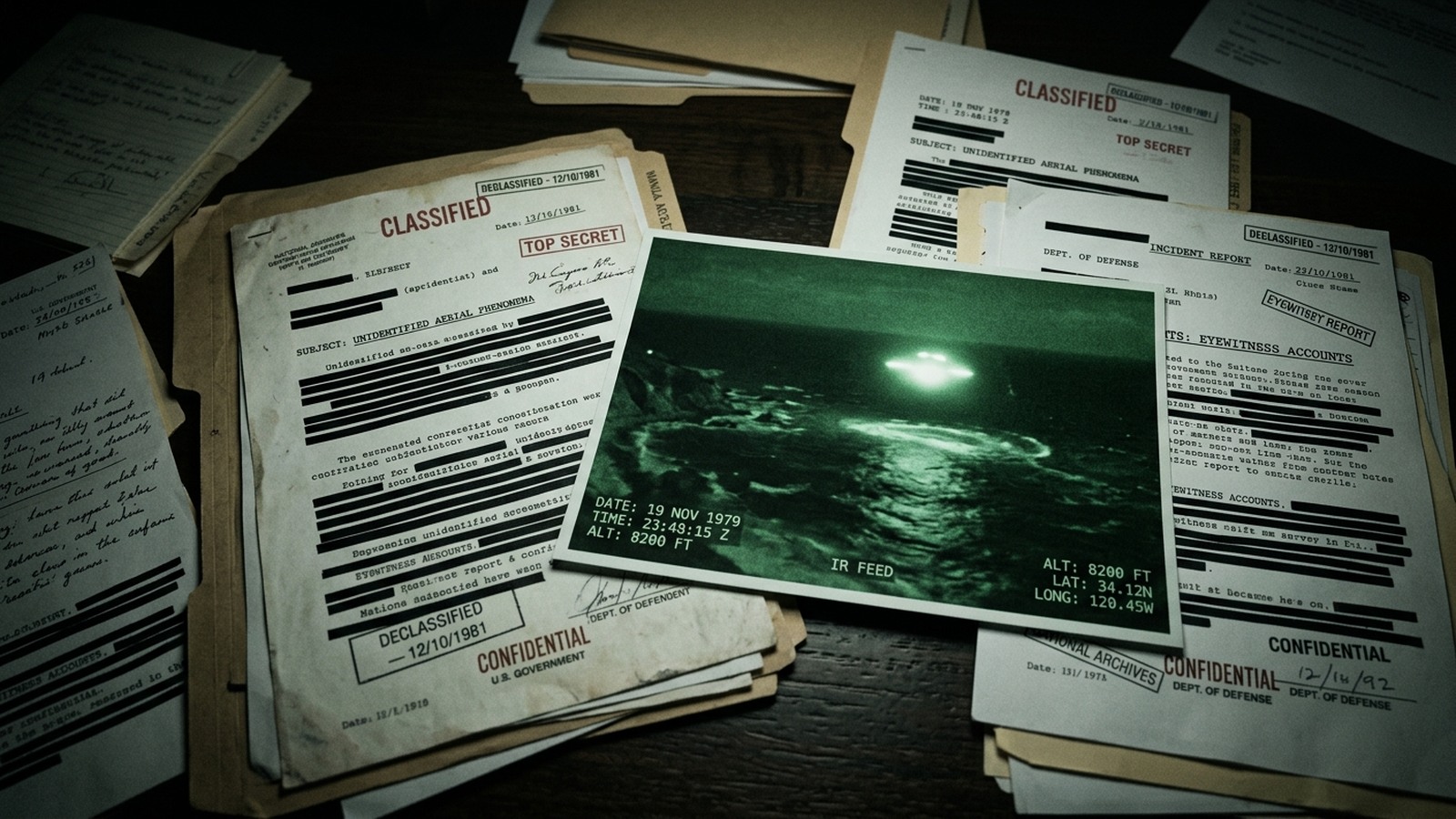
The first batch of Pentagon UFO files landed on 8 May 2026 and contained 162 declassified case documents, 28 videos and 14 photographs spanning eight decades of unexplained encounters. By most accounts, it was the most significant act of official UAP transparency in history.
And according to at least one US lawmaker who has seen what's coming next, it was just the opening act.
A second tranche of declassified files under the government's PURSUE programme is expected around June 2026 — and the signals coming out of Washington suggest it will be considerably bigger, and potentially more explosive, than anything released so far.
What We Know About the Second Drop
The Pentagon confirmed the second release is on its way. Chief Pentagon spokesperson Sean Parnell stated publicly that additional declassified UAP documents are "actively being processed for publication" and that there will be "more to come very soon." That language mirrors the 30-day rolling cadence built into the PURSUE programme, which is designed to release new tranches of files every few weeks as they are identified and declassified.
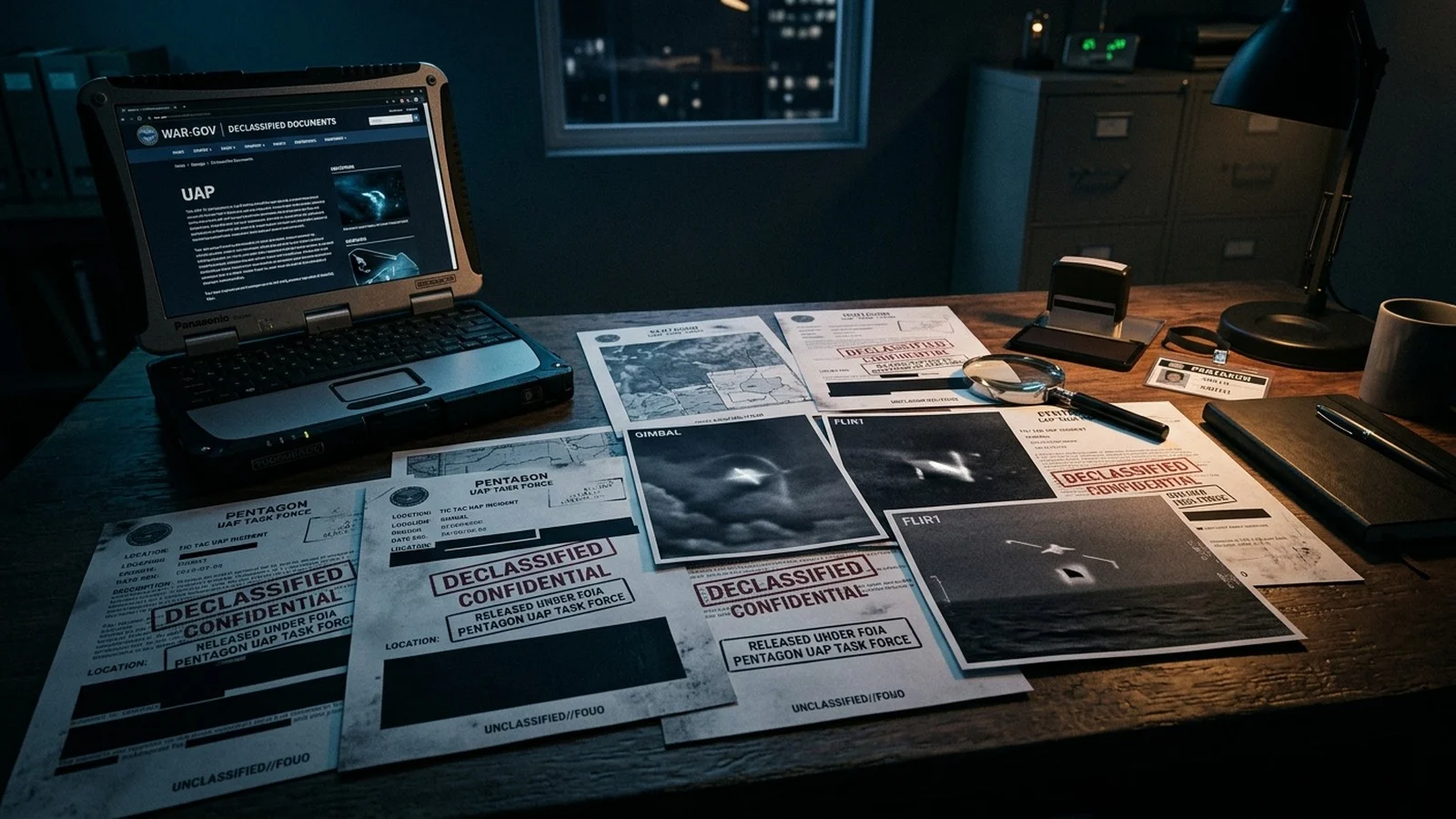
PURSUE — the Presidential Unsealing and Reporting System for UAP Encounters — was established by executive directive from President Trump on 20 February 2026, with Defence Secretary Pete Hegseth named as the point person. The programme brings together multiple agencies: the Department of War, NASA, the FBI, and the State Department. Files are published directly at war.gov/UFO — no login, no FOIA request, just a public government portal.
The first release focused heavily on historical aerial cases: military infrared footage, Cold War-era sightings, Apollo mission anomalies, FBI witness interviews. If the rumours are accurate, the second release will take the programme in a completely different direction.
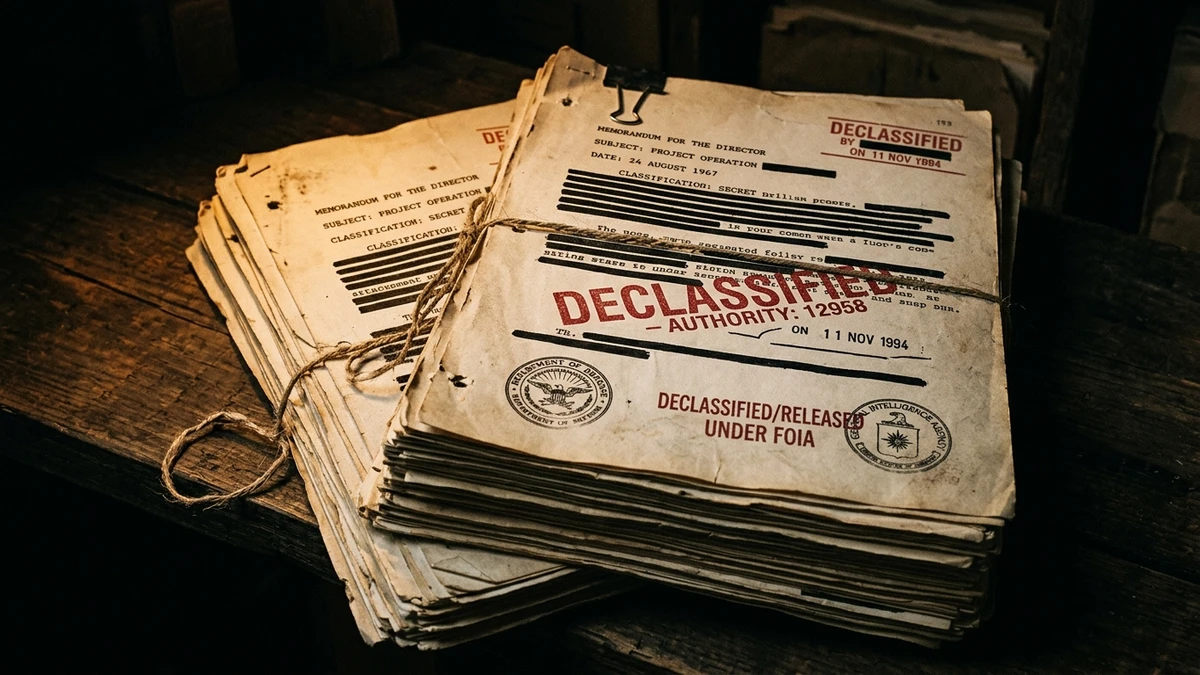
"Holy Crap Is Coming": Burchett's Tease
Rep. Tim Burchett (R-TN) is one of the most outspoken members of Congress on UAP disclosure, and he's been consistently ahead of official announcements throughout this process. Shortly after the May 8 release, Burchett posted on X:
"The 1st drop will be big but in comparison to what is coming they will be a drop in the bucket. I would say 'Holy Crap' is coming."
That's not a vague promise. Burchett has been involved with the House Oversight Task Force on the Declassification of Federal Secrets, which means he has had access to briefings that members of the public — and most journalists — have not. When someone with that access describes the next release as making the first "look like a drop in the bucket", it's worth taking seriously.
He has not specified what he's referring to. But several intersecting threads suggest where the "Holy Crap" might come from.
The USO Angle: Underwater UAPs
The most consistent rumour circulating among UAP researchers and defence journalists is that the second PURSUE batch will focus on USOs — Unidentified Submersible Objects, also known as Unidentified Underwater Objects (UUOs).
USOs have been a persistent feature of UAP testimony from naval personnel for decades, but they have received almost none of the official attention directed at aerial sightings. Multiple whistleblowers who testified before Congress in closed sessions have stated that underwater encounters are, if anything, more frequent than aerial ones. Objects have reportedly been tracked entering the ocean, manoeuvring at depth, and exiting again — all at speeds and with manoeuvrability that no known vessel could match.
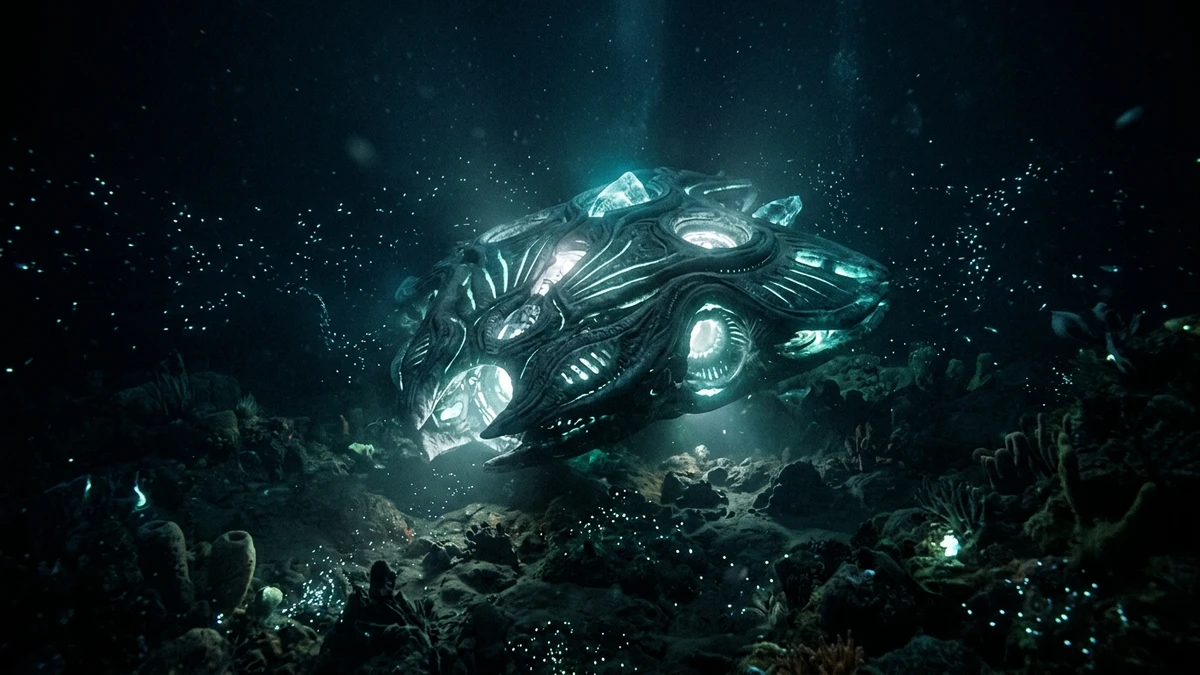
The reason this domain has stayed off the public radar is straightforward: underwater tracking data is among the most sensitive intelligence the US Navy possesses. Declassifying sonar signatures, patrol routes, and detection methods from submarine operations carries enormous national security risk, separate from whatever the UAP content might show. If the second PURSUE batch does contain USO material, it would represent a significantly more complex declassification challenge than the first release — which may partly explain why those files are taking longer to process.
For UK audiences, this matters. The North Atlantic has been one of the most frequently cited regions for USO encounters in testimony from both American and British naval personnel. Several incidents reportedly took place in waters closer to home than most people assume.
The Silent Revisions Nobody Explained
Before we get too excited about what's coming, it's worth pausing on something uncomfortable that happened after the first release.
Independent researchers using automated monitoring tools noticed that the war.gov/UFO portal was quietly revised multiple times in the days after launch — with at least five files removed and hundreds of megabytes of content replaced — all without any public announcement or official explanation. Two separate, unaffiliated research groups independently flagged the changes using tools they had built to archive the original release.
The government has not commented on what was changed, why, or what the original files contained before replacement. This is precisely the kind of behaviour that erodes trust in a transparency initiative. It may have an entirely mundane explanation — a formatting error, a classification error caught late, or files published before redaction review was complete. But the fact that it was done silently, without any acknowledgement, left a visible dent in the credibility of the PURSUE process among the researcher community.
DefenseScoop, which covers the US defence establishment closely, summed up the mood well: "Data alone is not disclosure." The release of documents is meaningful. The unexplained removal of documents — without comment — is the kind of thing that feeds legitimate questions about whether the public is getting the complete picture.
A New Whistleblower — But Only in a SCIF
Running in parallel with the PURSUE releases is a separate, significant development on Capitol Hill. A new UAP whistleblower has come forward — but unlike David Grusch, who gave public televised testimony in 2023, this individual is demanding that any briefings take place inside a Sensitive Compartmented Information Facility (SCIF). No cameras. No public record.
Rep. Eric Burlison (R-MO), who confirmed the new whistleblower's existence, was direct about what that means: the person has information they won't share in an open setting. The implication is that what they know is either still classified, operationally sensitive, or potentially dangerous to disclose publicly — or some combination of all three.
David Grusch remains involved as a Special Advisor to the House Oversight Task Force. His role has shifted from public testimony to behind-the-scenes guidance: helping lawmakers know what questions to ask, and who to ask them to. The combination of a new SCIF-only witness and Grusch advising from the inside suggests the congressional disclosure track is moving into more sensitive territory than the public PURSUE releases.
The House has also advanced the UAP Whistleblower Protection Act (H.R. 5060), which would give legal cover to current and former government employees who come forward with UAP-related information. Without that protection, the barrier to disclosure remains high.
The Legal Framework Behind the Releases
The PURSUE releases aren't happening in a vacuum — they're being driven by a specific legal framework that has real teeth.
The FY2026 National Defence Authorisation Act, signed into law in December 2025, embedded significant new UAP oversight requirements. Under the NDAA, all relevant government agencies must identify and review UAP records within 300 days of enactment. Full public disclosure is generally required within 25 years of a record's creation, unless the President personally certifies a national security exception.
That last provision is significant. It means the burden of keeping UAP files classified now sits explicitly with the executive — if something stays secret, the President has to say so personally, on the record. That's a fundamentally different accountability structure from the blanket classification authority that protected these files for decades.
Trump's February 2026 directive to the Pentagon accelerated this process, placing it ahead of the NDAA timeline. Whether motivated by genuine transparency or political calculation, the legal and political machinery now in motion is difficult to quietly reverse.
What to Watch For
If you're following this story, here's where to focus your attention over the coming weeks.
The second PURSUE batch is expected around 8 June 2026, though that date could slip if the classification review runs long. Watch the war.gov/UFO portal directly — and if independent researchers flag any silent changes again after publication, that's a story in itself.
On the congressional side, the SCIF briefings involving the new whistleblower are expected to inform upcoming hearings on UAP transparency. Rep. Anna Paulina Luna, who chairs the relevant task force subcommittee, has described those hearings as having "historic implications." That language is doing a lot of work, and it's worth watching whether it's backed up with substance.
For the USO angle, the tell will be whether the second batch contains any naval records, sonar data, or submarine-adjacent materials. If it does, that represents a qualitatively different level of classification being lifted — and would explain both Burchett's language and the longer processing time.
Finally, keep an eye on whether the H.R. 5060 whistleblower protection bill advances. If it does, the number of people willing to come forward publicly — rather than only in a SCIF — is likely to increase substantially.
The Bottom Line
The first PURSUE release was historic. It was also — by the Pentagon's own logic and by Burchett's explicit statement — just the beginning. A second, larger batch of declassified UAP files is expected within weeks. If the rumours about USO content prove accurate, it will take the disclosure conversation into territory that has never had any official sunlight on it.
The silent revisions to the first release are a legitimate concern and deserve a proper explanation from the DoD. The SCIF-only whistleblower suggests that some of what's known is still too sensitive, or too legally fraught, for open session. And the legal architecture being built around UAP disclosure — between the NDAA, the whistleblower protection bill, and the executive directive — is more robust than anything that has existed before.
Whether that adds up to a "Holy Crap" moment or another round of fuzzy infrared blobs, we'll find out soon enough. For now, the trajectory is clear: this isn't slowing down.
We'll be covering the second PURSUE release as soon as it drops. If you want to be notified the moment it's published — along with our analysis of what's in it — sign up below.
Sources:
- Second batch of UFO files set to be released — Fox News
- Department of War PURSUE Portal — war.gov/UFO
- 'Data alone is not disclosure': UAP community reacts to first PURSUE drop — DefenseScoop
- Files quietly replaced overnight — USA Herald
- Congress Has a New UAP Whistleblower — UFOUAP
- Restoring Public Trust Through UAP Transparency — House Oversight Committee
- Pentagon UFO Files Release 2026 — Academic Jobs
- United States UAP files — Wikipedia